The secret behind Napa Valley wineries selling 61% of their production through wine tourism


Publicado el 05 de Marzo de 2026


The secret behind Napa Valley wineries selling 61% of their production through wine tourism

In this post, we will analyze the strategies California wineries have implemented in order to attract wine tourists and increase sales during their visits. Wine sales in Napa Valley are a main economic engine for this Californian winegrowing region, which produces some of the finest wines in the world.

California wineries have been very successful at attracting tourists and boosting wine sales through wine tourism.

Here are some reasons why California wineries have been so successful:

  1. Prime location: Wineries in California have the advantage of being located in a region with an ideal climate for grape growing and beautiful landscapes to enjoy. Many wineries also have facilities to host events and weddings, which makes them a popular place to visit.
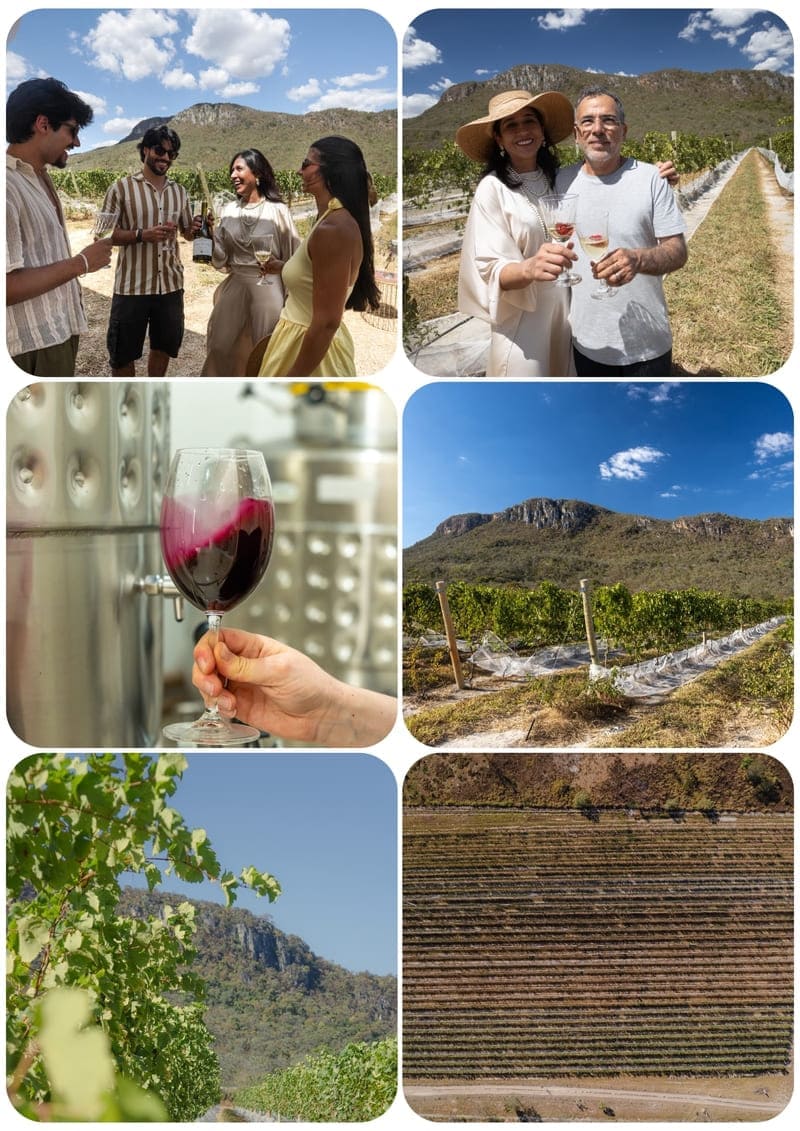
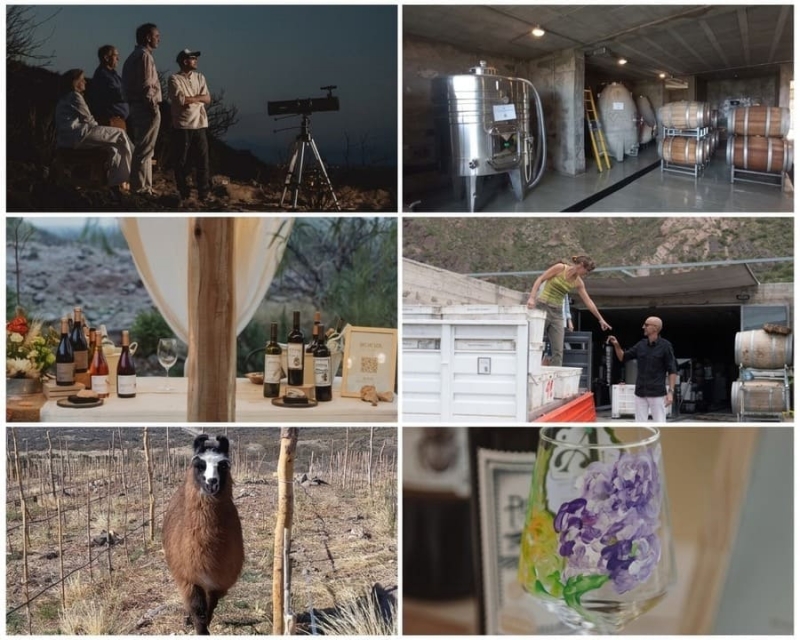
  2. Personalized experiences: Wineries in California have created personalized experiences for their visitors, such as wine tastings, vineyard visits, and different types of tours. Visitors can learn more about the history of the winery, its products and production processes, and experience different wine varieties.
  3. Marketing and branding: Wineries in California have focused on creating strong brands and an image of quality and sophistication. Many wineries have registered their brand and created a website and a presence on social media, which makes them easier to find and promote.
  4. Trained staff: Wineries in California have trained their staff to offer exceptional service to their visitors. The staff are well informed about the products, the history of the winery and the production processes, which makes the experience more educational and interesting.
  5. Partnerships: Wineries are known for partnering with local hotels and restaurants to improve the wine tourism experience. These alliances may include combined packages and special discounts for those who visit several tourist attractions in the region.
  6. Different experiences: Not all wineries offer exactly the same experiences. Many adjust their offer to attract a variety of visitors, for example with tastings for beginners, guided visits to the vineyards and additional experiences. Some also offer live music events, outdoor meals and other activities that allow visitors to enjoy the winery in a fun environment.
  7. Connection with the community: Many wineries participate in community festivals and events as sponsors and wine suppliers. These events can help increase the winery’s visibility and create loyalty among locals and regular visitors.
  8. Accessibility: California wineries have made efforts to make wine tourism visits accessible to everyone. Many offer options for people with physical disabilities, such as wheelchair access routes and adapted services.
  9. Non-drinkers: There are also alcohol-free or low-alcohol options for those who do not wish to drink large amounts of wine.
  10. Hospitality: The wine tourism managers at the wineries make wine tourists feel at home and ensure they have an enjoyable experience. They encourage guests to share their wine and gastronomy preferences and take a genuine interest in their experience.
  11. Innovation and experimentation: California wineries are constantly innovating and experimenting with new wine production methods and cutting-edge technology. Some are experimenting with new blends and varieties, and others are using advanced technology, such as computer-controlled irrigation systems, to improve wine production. This allows them to offer new and exciting products for visitors and attract those looking for something original.
  12. Promotion of sustainability: Many California wineries have focused on sustainability and the production of organic wines with a low environmental impact. This allows visitors to enjoy wine knowing that it is obtained responsibly. In addition, these wineries can attract visitors who appreciate sustainability and ethical production.
  13. Flexibility: Wineries that are flexible with their schedules and offer additional options for visitors have a greater chance of attracting and retaining customers. Wineries may offer evening tours, private tastings, cooking classes, and special seasonal events, which add to the visitor experience and improve customer loyalty.
  14. Organizing regular events: Some wineries organize outdoor concerts or themed wine tastings, such as "wine and cheese" or "wine and chocolate." They may also hold special events during occasions like Valentine’s Day or during harvest and vintage seasons.
  15. Design of loyalty programs for their visitors, allowing them to receive discounts on wine purchases, access to exclusive events, and private visits to the wineries.
  16. Collaboration with other wineries in the region for joint events and promotions. For example, several wineries may join forces to create a “wine passport” promotion that allows visitors to receive discounts at multiple wineries in the area.
  17. Organization of courses on wine tasting, viticulture, oenology, etc. Many California wineries invest in the education of their visitors. Some offer guided tours that explain the wine production process and provide information about different grape varieties and wine regions. Other wineries offer wine tasting classes and food pairing workshops.

In summary, California wineries have created personalized and attractive experiences for their visitors by adapting to different forms of tourism, creating a presence in the community, and increasing accessibility in general. This has contributed significantly to the success of the wine industry in California.

At the same time, California wineries have succeeded in offering:

  • educational and cultural experiences for their visitors,
  • a strong marketing and branding strategy, and
  • well-trained staff to provide exceptional service,
  • innovation and experimentation focused on sustainability and responsible production, while being flexible and adaptable. Each winery seeks to differentiate itself from the others and offer something unique, an experience that cannot be found elsewhere, resulting in a variety of exciting travel experiences for visitors.

Overall, the success of California wineries in wine tourism is due to a combination of factors. They have beautiful views and natural surroundings, a variety of high-quality wines, and diverse experiences to offer, as well as a commitment to sustainability and responsible production.

Direct wine sales at the wineries

Purchasing wine during wine tourism visits is one of the most important sales channels for Napa Valley wineries. Most wineries in the region largely depend on wine tourism visits and direct sales at the winery to generate income, which allows them to maintain control over the quality and quantity of their wines.

According to Napa Valley Vintners Association (NVVA), in 2019, direct sales in the winery accounted for 61% of Napa Valley wine sales. In other words, more than half of the produced wine in Napa Valley is sold directly to winery visitors.

Moreover, direct sales at the winery offer customers the opportunity to try and discover new wines and build direct relationships with winemakers. This allows wineries to establish a strong reputation and brand, as well as build customer engagement and loyalty.

 In summary, direct sales at wineries are one of the most popular and successful sales channels for Napa Valley wine, and they make up a large part of the region’s wine sales. However, distribution through stores and restaurants is also important for the success and availability of Napa Valley wines.

Wine production in Napa Valley

According to the 2022 harvest report published by the Napa Valley Vintners Association (NVVA), approximately 248,700 hectoliters of wine were produced in Napa Valley that year.

It is important to keep in mind that production quantities can vary from year to year, as they depend on many factors, such as weather conditions and market demand.

Registered wineries in Napa Valley 

According to the Napa Valley Vintners Association (NVVA), there are more than 375 wineries registered in Napa Valley. This is an approximate number, as the total may vary due to new winery openings and closures. Napa Valley is known worldwide for its high-quality wines and is home to some of the most prestigious and recognized wineries in the world.

Grape varieties used in winemaking

The red grape variety Cabernet Sauvignon is the most widely planted and produced in Napa Valley, representing approximately 40% of all the grapes planted in the region. The climate and soil of Napa Valley are ideal for growing Cabernet Sauvignon grapes, and this variety is considered the queen of the region’s wines. In addition, other red grape varieties are also produced, such as Merlot, Pinot Noir, Zinfandel, and Syrah, as well as white grape varieties such as Chardonnay, Sauvignon Blanc, and Pinot Gris.

 Soils of Napa Valley Vineyards

The soils of the vineyards in Napa Valley are very diverse due to the different geological processes that have taken place in the region over time. This diversity of soils has a direct influence on vine cultivation and on the characteristics of the wines produced there. The main types of soils found in the region include:

Volcanic soils: These originate from volcanic ash and lava. They are rich in minerals and provide excellent drainage, which favors the cultivation of high-quality grapes.

Alluvial soils: These soils are formed from sediments carried by rivers and streams. They are fertile, rich in nutrients, and able to retain moisture, which supports healthy vine growth.

Sedimentary soils: These develop from the erosion and accumulation of rocks and sediments. They are often rich in calcium and other minerals, and their water-retention capacity varies depending on their composition.

Hillside soils: These soils are found on the slopes of the mountains surrounding Napa Valley. They typically offer good drainage and a mineral composition that contributes to balanced vine development.

Clay soils: These soils are fine and dense and have a high capacity to retain moisture. This type of soil can favor the cultivation of grape varieties such as Cabernet Sauvignon, Merlot, and Pinot Noir.

Overall, the wide variety of soils in Napa Valley allows viticulturists to select the most suitable land for each grape variety, which directly influences the quality, complexity, and character of the wines produced in the region.

Translated by Maria Escartín Rodríguez

Contact: 628027233 | Instagram: @mariaescartiin


TOP10 vinos más vendidos en AMAZON


Compartir en RRSS:


×

FILTRAR BÚSQUEDA

CATEGORIAS

FILTRAR BÚSQUEDA

CATEGORIAS

BLOGGERS DEL VINO

NEWSLETTER

Suscríbete a nuestro boletín y mantente informado de todas las últimas noticias del Sector del Vino.


He leído y acepto la política de privacidad


Copyright © Cata del Vino | Política de Privacidad | Condiciones de Uso