Publicado el 19 de Marzo de 2026
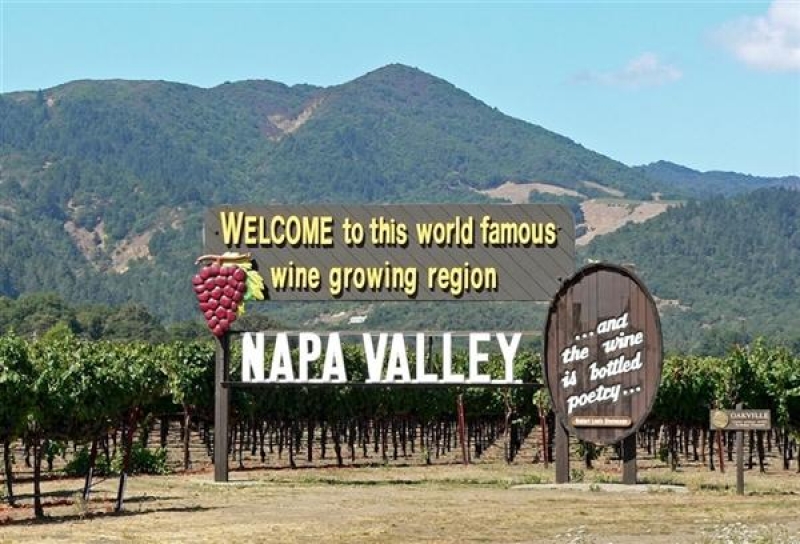
A prime example of this is California’s Napa Valley. Despite its relatively young industry, no other place in the world has scaled this tourism product to such heights. As Brown (1981) noted, Napa Valley's vineyards are the second most visited attraction in California, surpassed only by Disneyland.
The American wine tourism model is characterized by heavy "thematization": clear signage, wine-themed decor, and an abundance of references to the vineyard lifestyle. Hotels are typically nestled among the vines and offer curated tastings. Wine shops sell not just bottles, but glassware, accessories, and literature. Even the restaurants lean into the aesthetic, with walls adorned with corks and labels, extensive wine lists, and highly trained staff. In many ways, it shares DNA with the theme parks so prevalent in North America.
Admittedly, there is a challenge in balancing mass tourism with traditional regions. However, institutional backing has been vital in developing a model that didn't always have the winemakers' blessing. Their initial reluctance stemmed from a fear that mass-market destinations would threaten environmental sustainability. Yet, thanks to these organizations, a model has been established that now serves as a global benchmark for wine tourism.
Translated by Maria Escartín Rodríguez
Contact: 628027233 | Instagram: @mariaescartiin
Copyright © Cata del Vino | Política de Privacidad | Condiciones de Uso



.jpg)